

Learn how to design custom fabric storage boxes with the right structure, materials, inserts, finishes, and branding for retail, gifting, and ecommerce.
Why This Packaging Style Matters
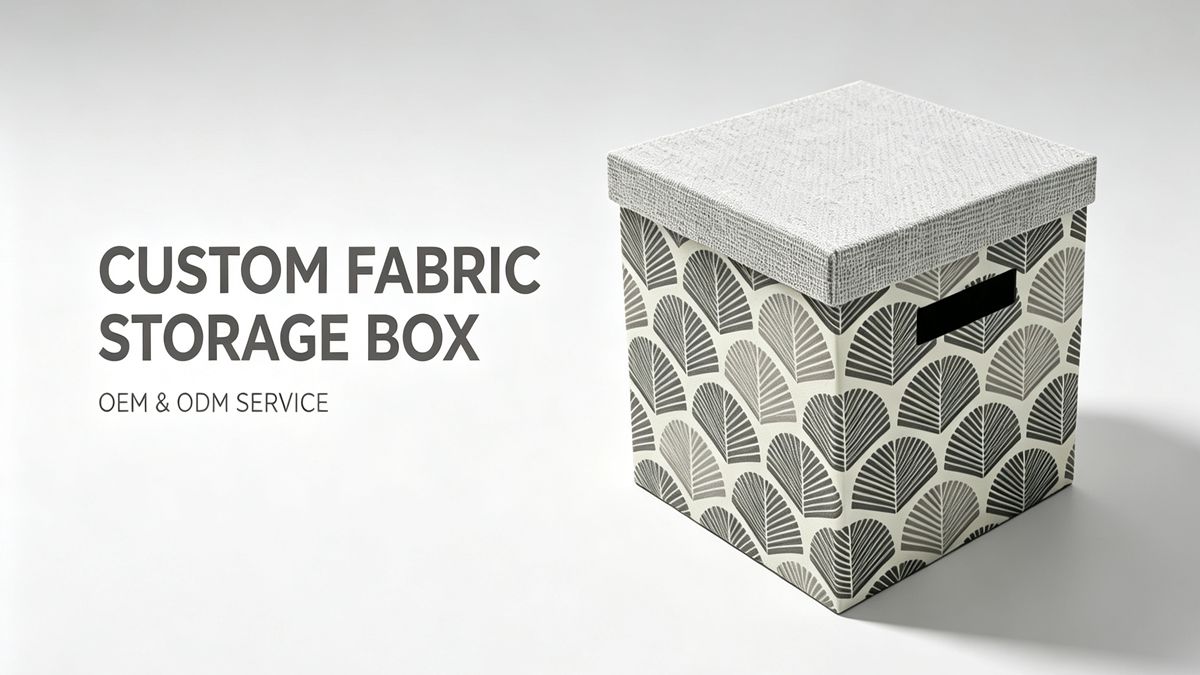
This article looks at the topic of fabric storage boxes from a brand-value point of view. The central question is simple: how can a box make the product feel more desirable before the customer even sees it? For custom fabric storage boxes, the answer usually comes from a mix of structure, touch, visual consistency, and a satisfying opening sequence.
A strong package also improves recognition across channels. The same fabric storage box may appear on a retail shelf, in a product video, in a wholesale catalog, and in a customer’s unboxing photo. When the materials, colors, and logo placement remain consistent, the package becomes part of the brand’s visual memory.
Brands should review packaging as part of the product offer, not as a final accessory. A more intentional box can support higher perceived value, clearer differentiation, and better customer retention, especially when buyers are comparing similar products online.
Structure and Material Choices
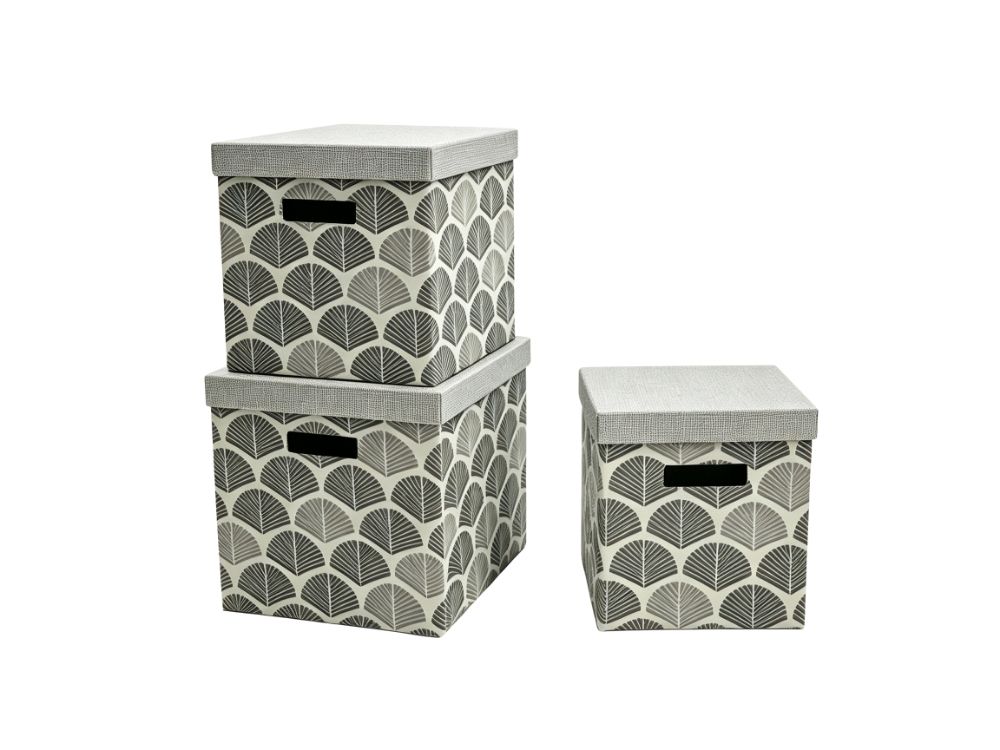
Henryson Box focuses on custom packaging for brands that need structure, presentation, and production details to work together. For custom fabric storage boxes, the most successful projects usually begin with three questions: what must the box protect, what should the customer feel when opening it, and how will the finished package move through storage, shipping, retail display, or gifting. Answering these questions early helps the design become practical as well as attractive.
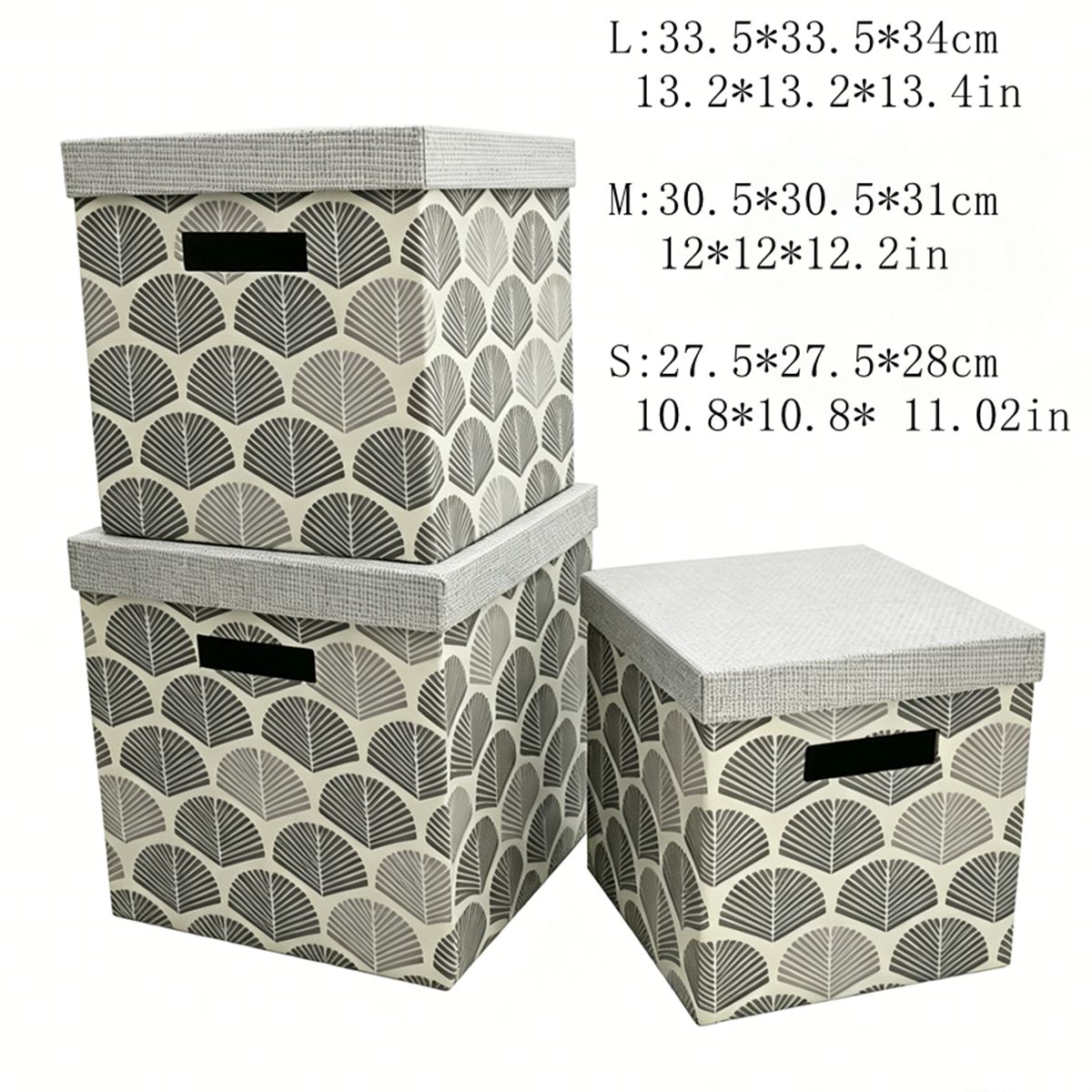
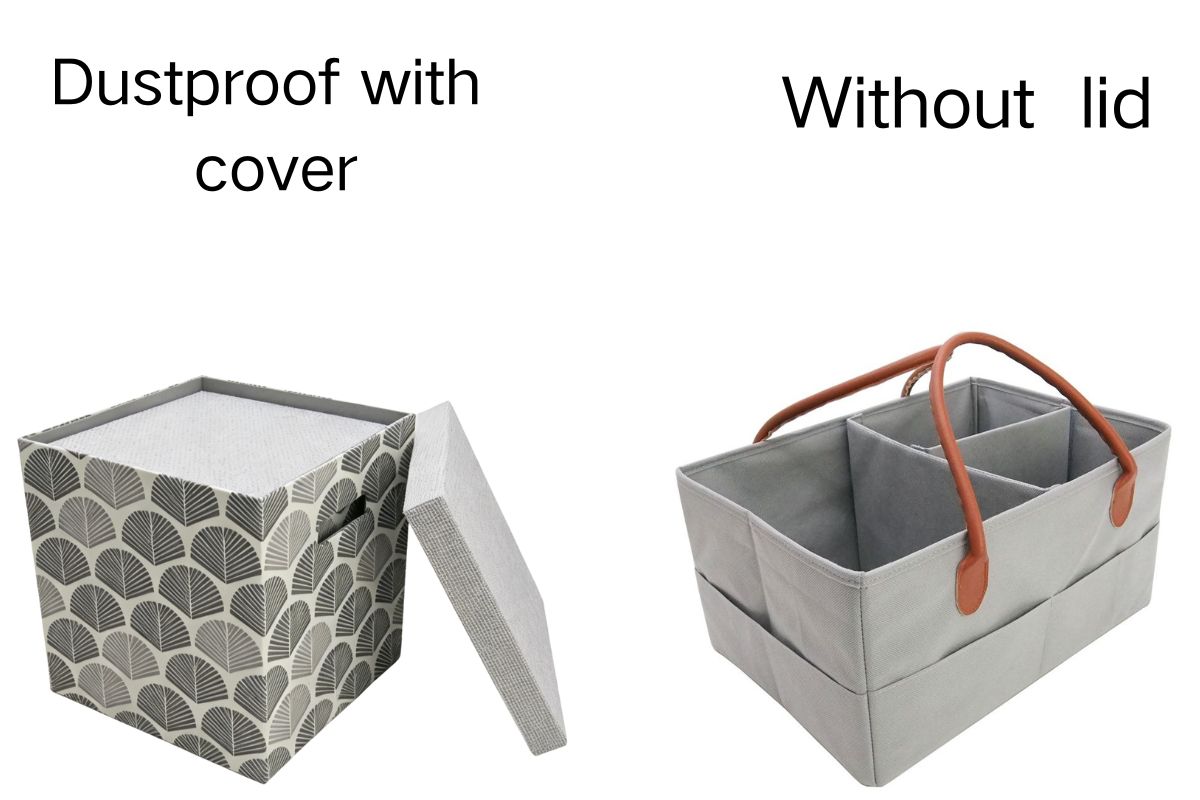
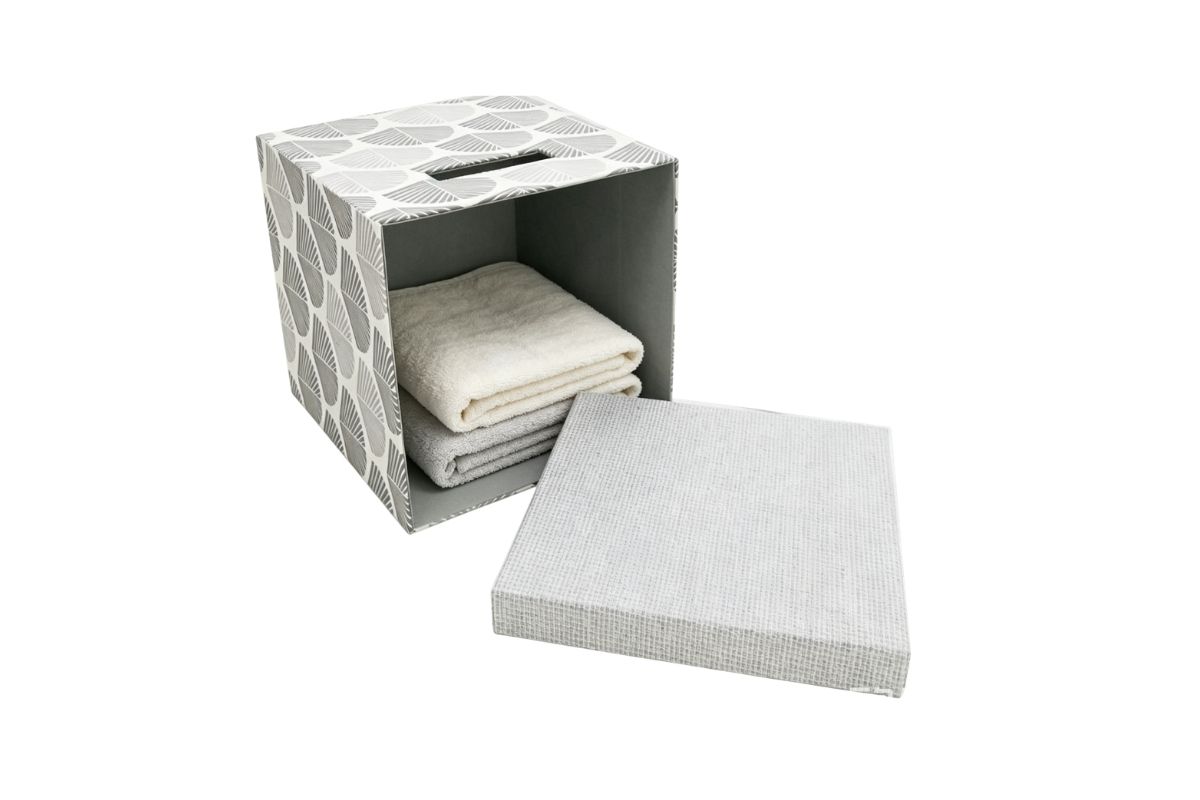
The structure is the foundation of the whole package. Popular choices include linen, cotton, non-woven, canvas, felt, and fabric-wrapped board options, while more specialized projects may use foldable, lidded, drawer-style, cube, and compartment structures or handles, labels, dividers, windows, and reinforced edges. The right structure depends on product weight, retail price, display style, and the degree of ceremony required during unboxing. A simple product may need a clean and efficient box; a premium set may benefit from a layered reveal, a fitted insert, or a more decorative closure.
Material selection shapes both appearance and performance. A sturdy board can make the box feel reliable in the hand, while surface paper, fabric, or specialty finishes can create a more refined mood. Buyers should also think about color consistency, resistance to scuffing, how the package photographs online, and whether the surface can carry detailed branding. Good packaging looks attractive in person, but it also needs to look clear in ecommerce images and social content.
Branding, Inserts, and Finishing Details
Interior design is often where custom packaging becomes visibly better than standard stock packaging. Inserts, trays, dividers, cushions, ribbons, and pull tabs keep the product in place and guide the customer through the opening sequence. For custom fabric storage boxes, a well-designed interior can reduce movement during transport, make the product easier to present, and create a cleaner retail display. It also helps avoid the common problem of a beautiful exterior hiding a loose or unfinished inside.
Branding should be obvious without becoming heavy. Many companies choose logo foil stamping, embossing, debossing, spot UV, full-color printing, or a custom paper wrap. The goal is not simply to add decoration, but to make the box recognizable from the first glance. For home goods brands, furniture retailers, lifestyle stores, ecommerce sellers, and promotional buyers, consistent packaging across sizes and product lines can strengthen brand memory and make collections feel more organized.
Finishing choices can change the perceived price of a package quickly. Matte lamination can feel quiet and modern, gloss can make colors brighter, textured paper can feel more tactile, and metallic foil can add a premium accent. However, the best finish is the one that supports the product rather than competing with it. A luxury jewelry item, a corporate gift, a home storage product, and a limited-edition promotional set each need a different visual rhythm.
Buying Tips for Custom Production
From an SEO and ecommerce point of view, custom packaging also supports clearer product storytelling. Product pages, blog articles, catalog pages, and social posts can all describe materials, structure, logo options, and use cases. Keywords such as fabric storage boxes, custom packaging, rigid box, branded box, and private label packaging become more meaningful when the packaging details are specific and visible. Search engines can understand the offer more easily when the content explains real product decisions instead of repeating vague sales language.
Procurement teams should consider sampling before mass production. A physical sample helps confirm box size, opening feel, insert fit, logo position, color tone, and finish quality. It can also reveal small issues that are hard to judge on a screen, such as whether a drawer slides smoothly, whether a lid is too tight, or whether an insert makes the product difficult to remove. This stage saves time when the order moves into full production.
Cost control does not have to mean a plain result. Buyers can often simplify a structure, choose one strong finish instead of several, use standard board thickness where appropriate, or design a family of sizes that share the same visual system. These choices keep the packaging attractive while making production more predictable. For repeat orders, consistent specifications can also help with reorder speed and brand consistency.
Sustainability is another important planning point. Many brands want packaging that feels premium while reducing unnecessary material. Paper-based structures, recyclable boards, reduced plastic components, and right-sized inserts can all help. The key is to make sustainability part of the design brief from the start, so the structure, surface finish, and protective function are balanced instead of treated as last-minute changes.
The best fabric storage box packaging is not just beautiful; it is easy to produce, easy to pack, easy to ship, and easy for customers to enjoy. When structure, materials, inserts, and branding are developed together, the finished box becomes a practical sales tool. For brands comparing suppliers, a custom manufacturer that understands printing, surface finishing, sampling, and production control can make the process smoother from first concept to final delivery.
FAQ
What information should a buyer prepare before ordering custom fabric storage boxes?
Prepare product dimensions, product weight, target quantity, preferred material, logo artwork, color requirements, insert needs, and any reference images that show the desired style.
Can the same packaging design be adapted for different product sizes?
Yes. A consistent visual system can be applied across several sizes, but each size should still be checked for structure, insert fit, and shipping performance.
Why choose a custom packaging manufacturer instead of a stock box?
A custom manufacturer can adjust size, structure, materials, inserts, printing, and finishes so the box supports the exact product and brand experience.
Looking for a Reliable Custom Packaging Manufacturer?
Henryson Packaging specializes in manufacturing custom gift boxes, jewelry boxes, fabric storage boxes, office organizers, musical boxes, and specialty packaging for brands, wholesalers, retailers, and importers worldwide.
Request Your Free Quote Today
Tell us about your packaging project and receive a customized solution from our experienced engineering and sales team.
Shantou Henryson Packaging Co., Ltd.
Email: alina@henrysonbox.com
Tel: +86 754 8861 1665
WhatsApp: +86 159 9227 7257
Post time: Jul-20-2026


